Entry requirements
You need to have given birth yourself, and have a matric. Women with a history of loss, infertility or other medical difficulties are warmly encouraged to contact the trainer — we try to “recognise prior learning” as an entry requirement and have never excluded women who have a calling for this work.
6-month programme
Training takes place over six months, giving you time to absorb the theory and build real experience.
Portfolio & written exam
Compile a portfolio of your experiences, assessed at the end of the course alongside a 3-hour written exam.
Supervised practical
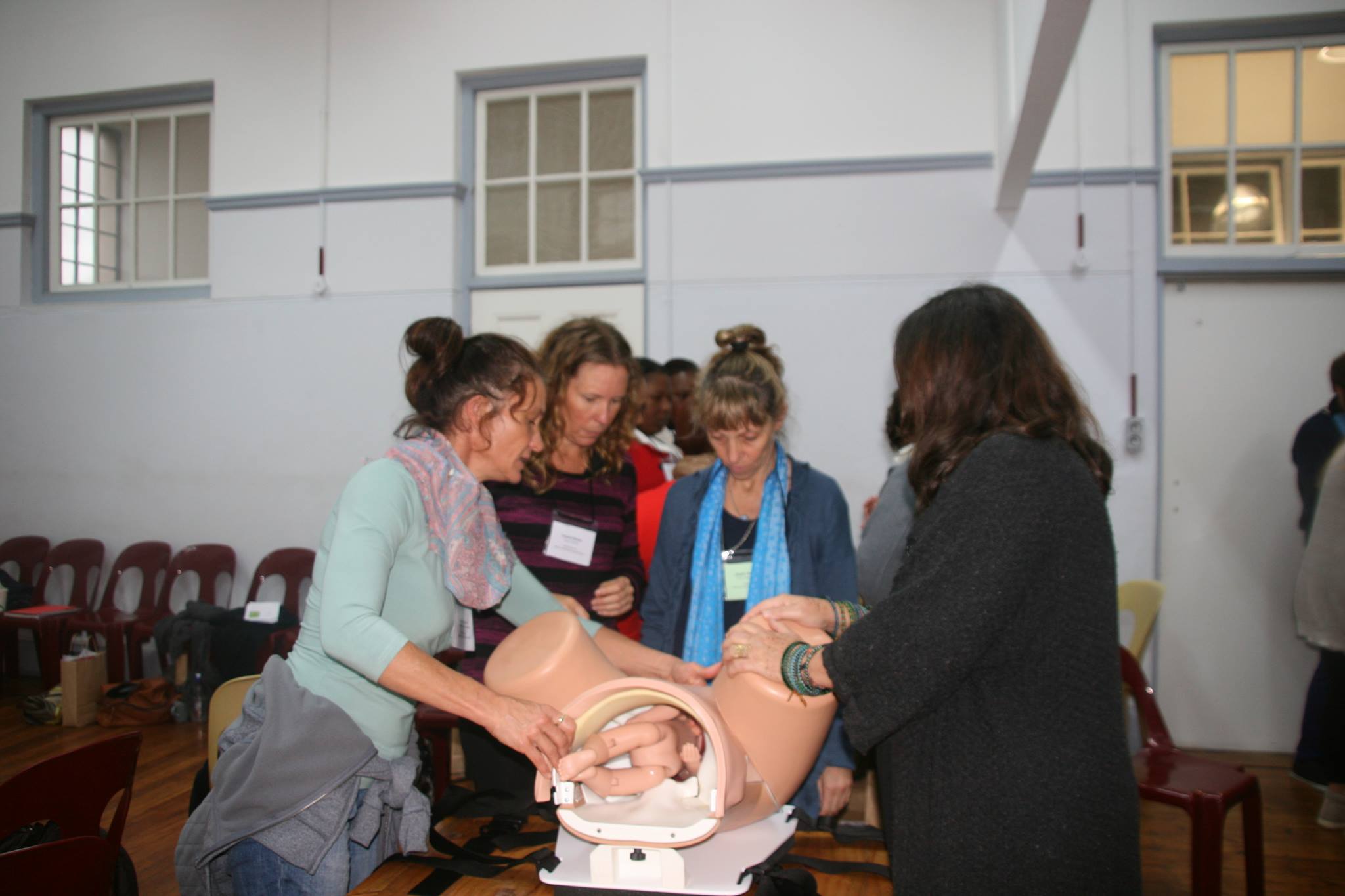
Attend a number of births — first as an observer, then as a participant — across a variety of settings.
Evidence-based teaching
The doula model was proven most appropriate in multi-centred global trials. We have applied evidence-based teaching since 2002.
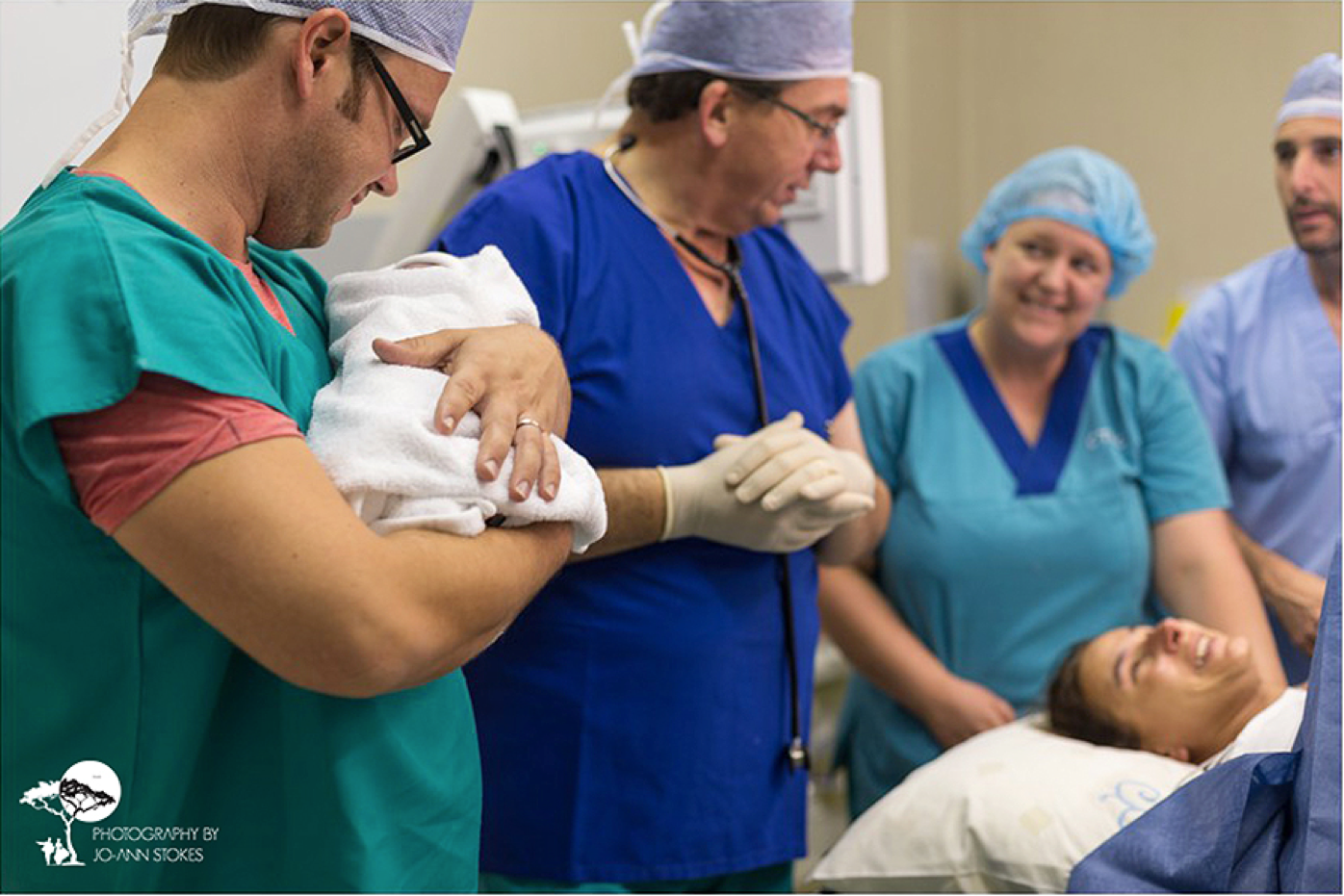
Support in every setting
Not every birth follows the plan. Your training prepares you to keep supporting a mother and her partner through caesarean and theatre births — staying calm within the clinical team, protecting those first moments together, and helping families process an unexpected outcome afterwards.
Topics you will cover
The course covers these and other topics, blending theory with the practical skills you need to support women through pregnancy, labour and the early postpartum period.
- Philosophy of Birth and Understanding Labour
- Supporting Women in Labour: Labour etiquette
- Being part of the labour team
- Pregnancy and Labour Warning Signs
- Natural pain relief in labour
- Relaxation techniques for labour
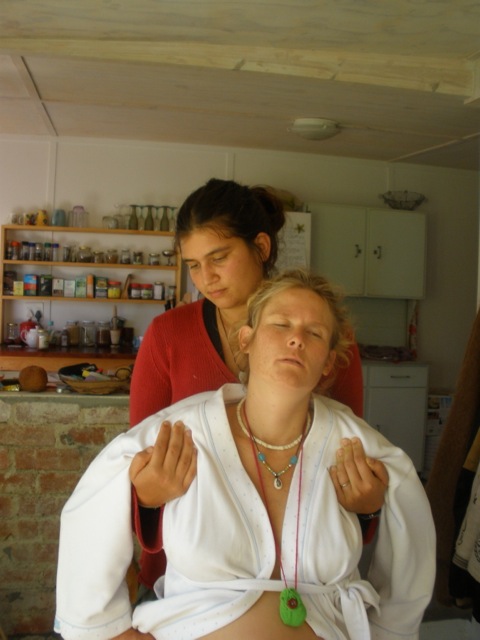
- Tools for labour: Acupressure, Aromatherapy and more
- Compassionate use of medicated pain relief
- Coping with unexpected outcomes
- Breastfeeding
- Dealing with loss
- Post-partum depression
- Setting up your Birth Companion Practice
Practical experience
Between the theory lectures, you'll acquire hands-on experience by attending a number of births — first as an observer and then as a participant. These take place in a variety of settings so you gain confidence before working on your own. Depending on your area, you may also shadow an experienced doula.
Being a mother & training as a doula
When a woman has experienced the vulnerability of pregnancy, birth and early mothering, she carries an innate wisdom that comes with life experience. This is why we ask that trainees have given birth — the supervised clinical practical in public maternity facilities can expose the very harsh realities of childbirth, and we don't wish to negatively influence a trainee's own future birth experience.
An evidence-based model
The doula model was proven to be the most appropriate in multi-centred global trials. Throughout the training we apply evidence-based teaching, grounded in research findings, and have done so since 2002. Against the odds, we have nurtured the growth and development of the professional doula.
Ready to start your training?
Find a 2026 course near you and apply, or meet the trainers in your region first.